Studio Discipline
Recording Quality and Technical Assurance
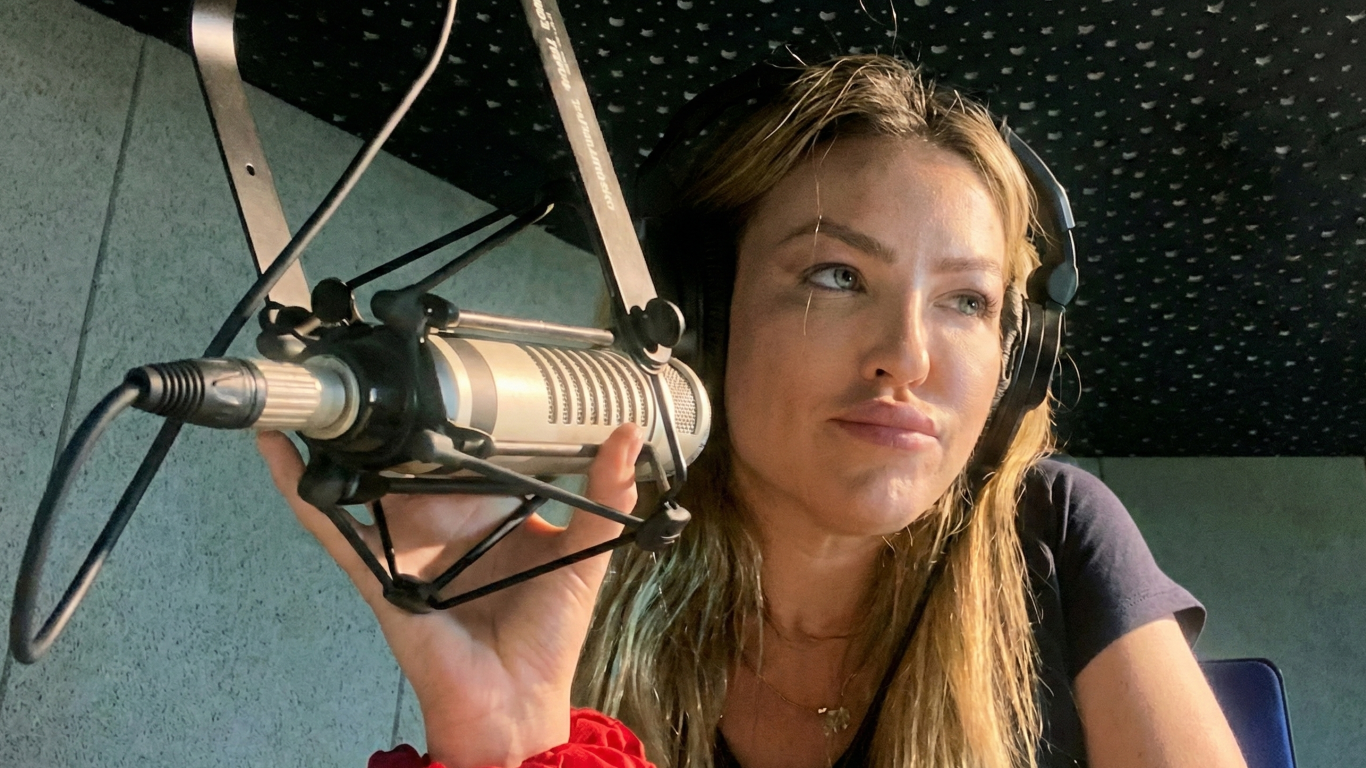
The studio is an invisible stage that determines the character of the sound. No matter how well written a text is, it cannot reassure the listener if the acoustics and recording chain are not correct. Yonca Baygin's studio was designed with the aim of low noise level, balanced acoustics and recording in accordance with broadcast standards. This approach produces consistent results in projects with high quality expectations, such as commercials and documentaries.
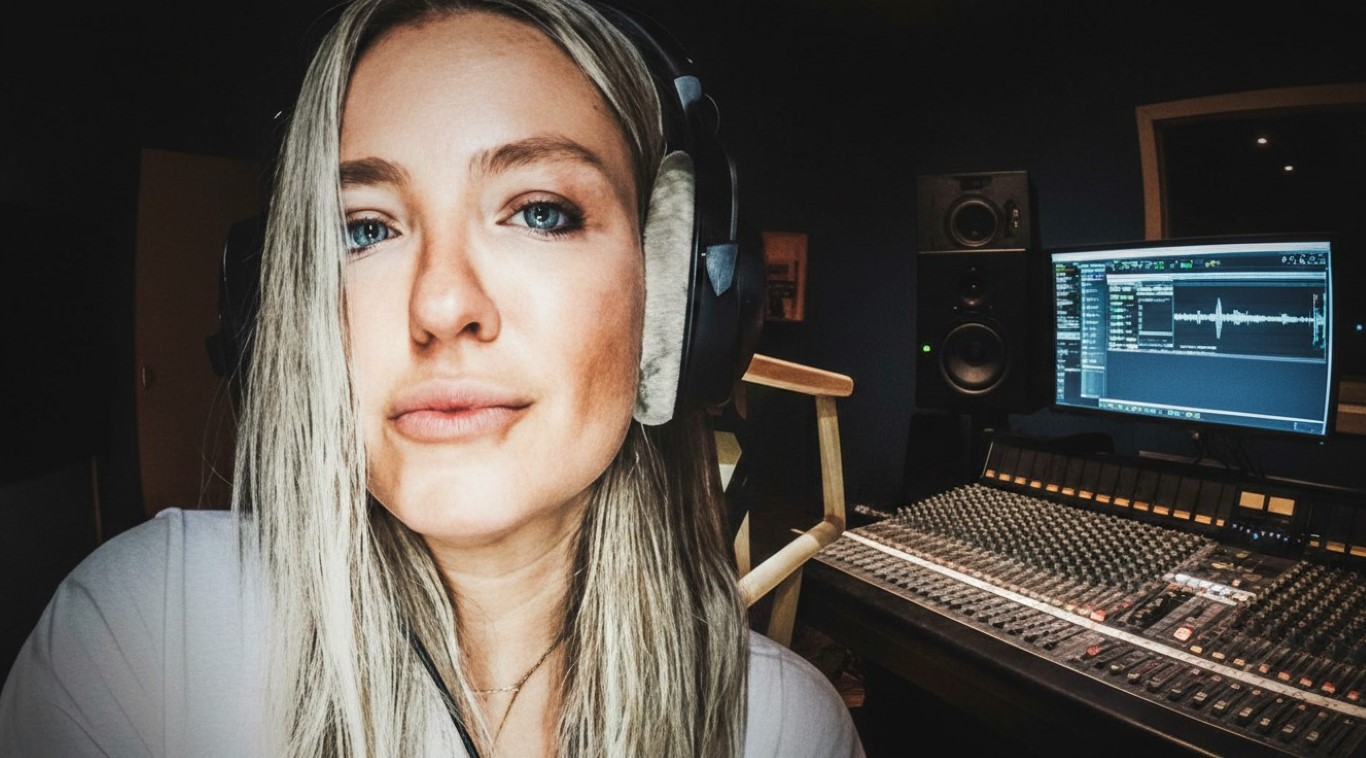
The right microphone, clean preamp, and reliable reference listening work together in the recording chain. While Rode NTK offers a strong foundation in projects that require a warm and natural tone; Rode Caster Pro keeps the signal flow balanced and controlled. The combination of Genelec G4ARWM reference monitors and Sennheiser HD 600 headphones allows clear verification of breath, emphasis and tonal details. This technical infrastructure produces stable and predictable results, especially in long-text e-learning and corporate narratives.
In the studio, not only the recording but also the listening and control phase is important. Genelec reference monitors announce the true tone of the recording without coloring it; In this way, files are played with similar quality on different platforms. Post-recording noise removal, level balancing and short mastering steps improve delivery quality and speed up the post-production process.
It is possible to register with a remote working model; Live guidance, quick revision and alternative reading options are offered. This flexibility makes time management easier for agency and production teams. The studio page shows the transparency of the equipment used and the discipline of the production process. The result is not just a well-sounding recording, but a professional studio experience that inspires confidence and ensures long-term collaboration.
The studio setup is not just about technical equipment; Details such as room acoustics, reflection control and microphone placement determine the clarity of the sound. That's why the recording area is checked regularly, and insulation and layout settings are optimized according to the required projects. Thus, it is possible to get balanced and natural results in different genres with the same microphone.
File management and backup are also an important part of the process. Records are archived in both raw and processed form; It becomes easier to go back to previous projects when necessary and achieve a consistent tone. Online connection options are provided for live guided recordings, so teams can remotely guide the studio in an instant. This structure provides speed and reliability in production.
In the dubbing process, the disciplined work of the operator is as decisive as the silence of the environment. Warming up before recording helps capture the natural tone of the voice during the day. This ensures consistent performance from the beginning to the end of the recording. The studio routine is an invisible layer of quality that ensures this consistency.